Double Trouble

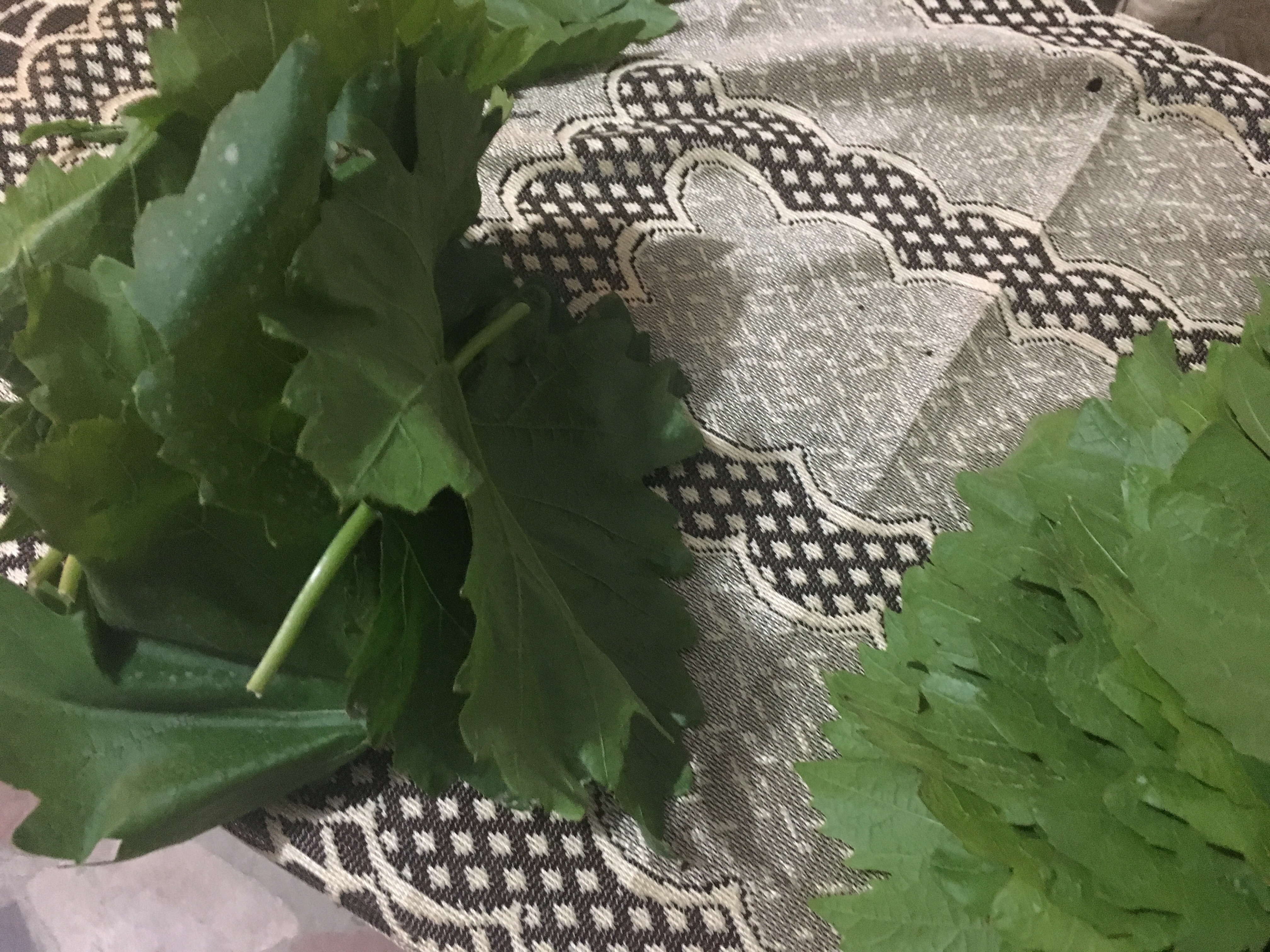
img_3804-2Robert zoomed by his mother as she was painting her nails. He knocked the coffee table with his toy truck and nearly sent her bottle of blue nail polish flying. “Don’t do that” said Aleta. (She says it a lot. Robert pays no attention. He is four years old and bashes on, unrepentant and undeterred.) չի կարէւի. Ch’ kareli. Don’t do that. It was the first phrase I picked up when I moved in here.

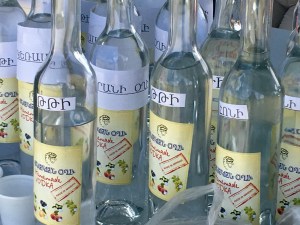
Grabbing her son, Aleta pulled a piece of cotton wool from the roll in front of her and soaked it with vodka, a bottle of which was also on the coffee table. “Come here” she said. Արի Ari! Then she wiped Robert’s sticky face and grubby hands with the wet wad, scrubbing hard. Next she yanked off Robert’s dusty shoes and gave them a good going over with the vodka wipe. They came up lovely. I must try it.

Vodka is cheaper than bottled water here. Aleta’s bottle had a commercial label but it may have been refilled many times over with spirit distilled from local produce. Should you ever drink vodka in Armenia, certainly don’t trust any label unless you see the seal broken on the bottle. It could be anything in there. For all I know, this particular vodka had also served as nail polish remover. You have been warned.

FullSizeRender (12)

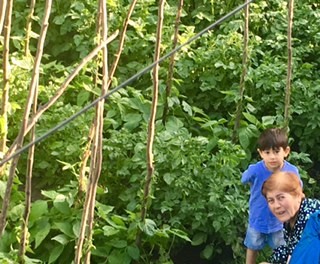
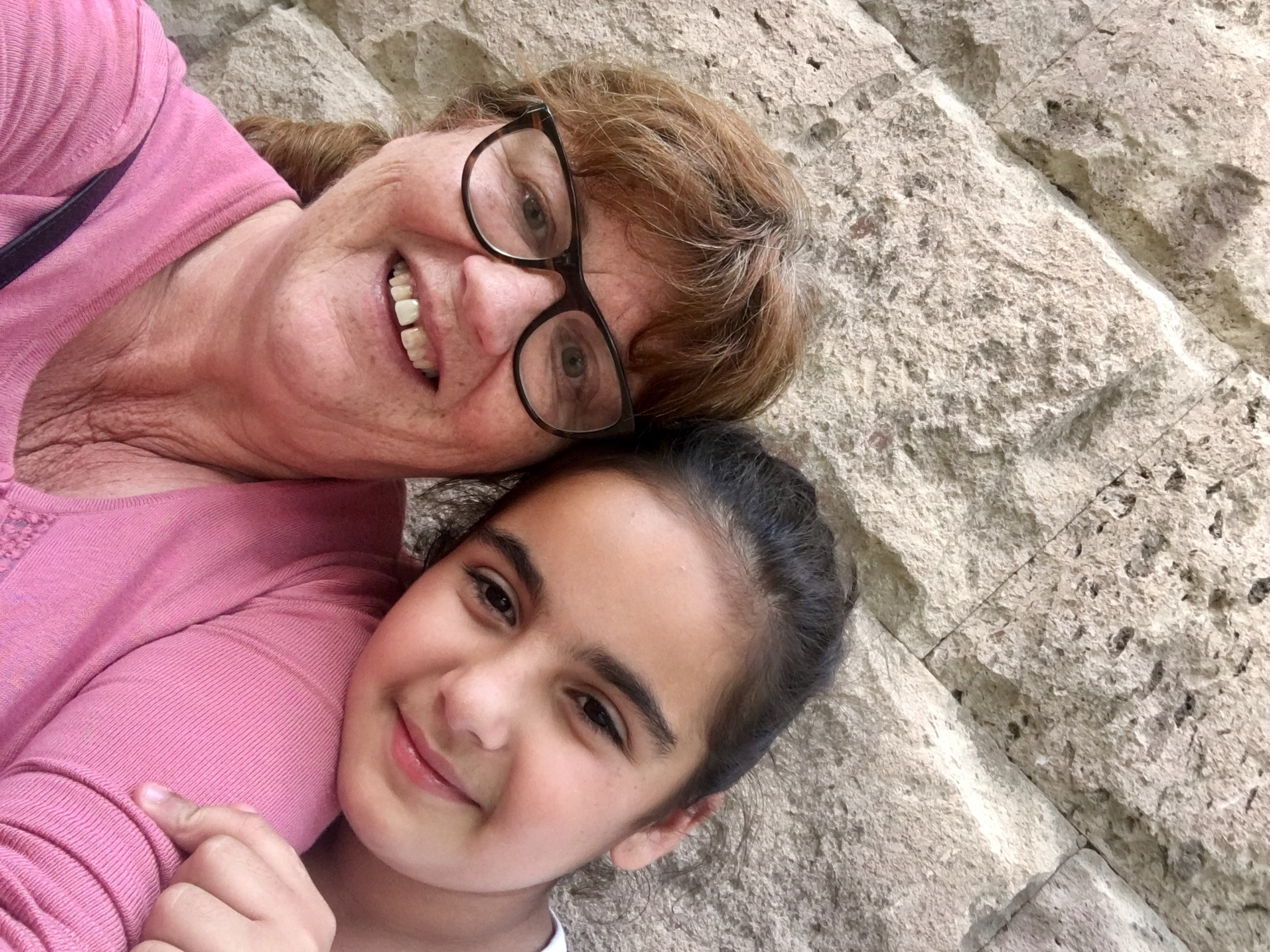
Robert stood still just long enough for this photo with his grandmother.  We’re growing beans. 


Posted in Armenia, Cross-cultural understanding, drinking, Language, Language learning, Vodka | Leave a comment

Yank Don’t Tug

​​​​

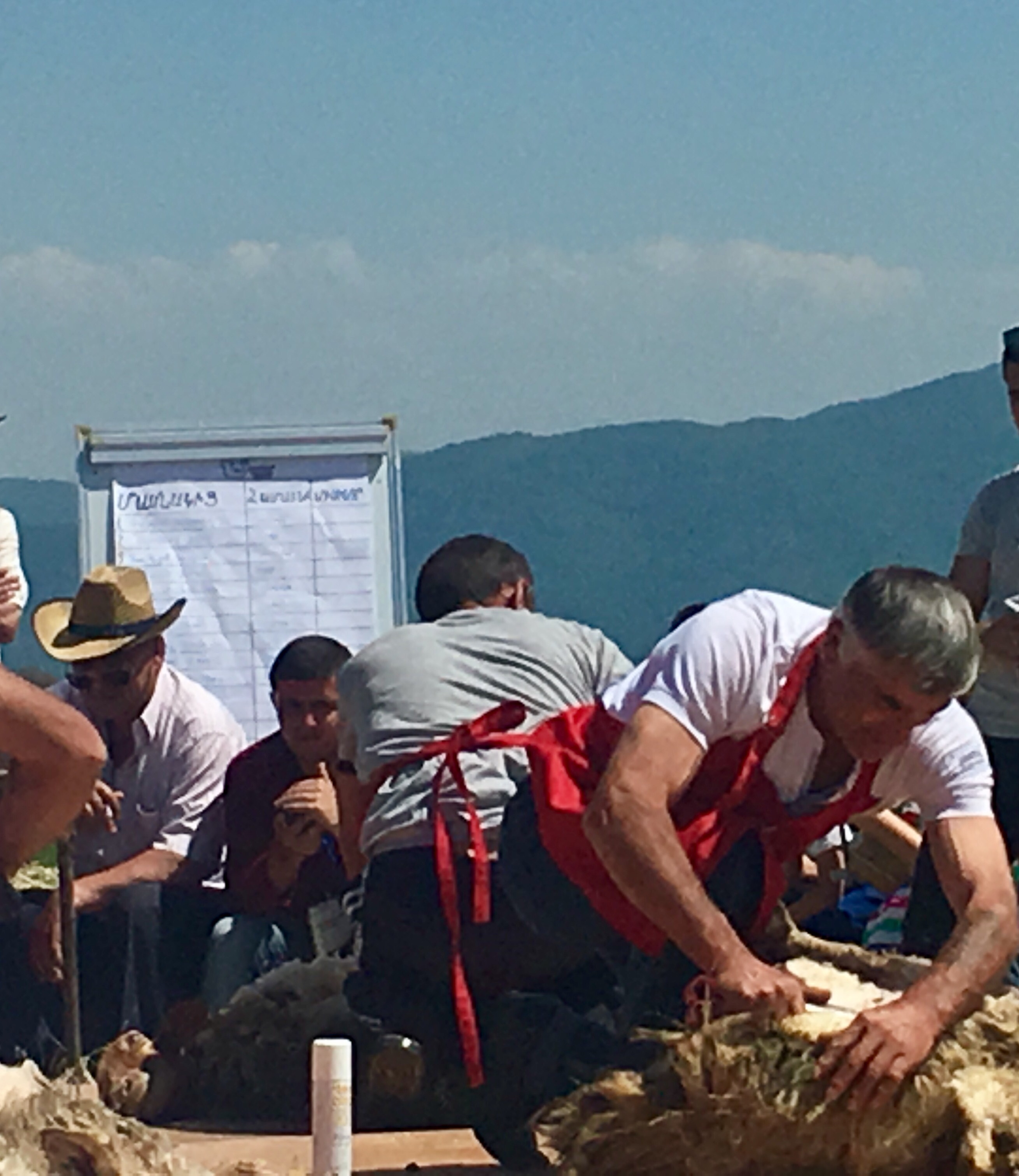
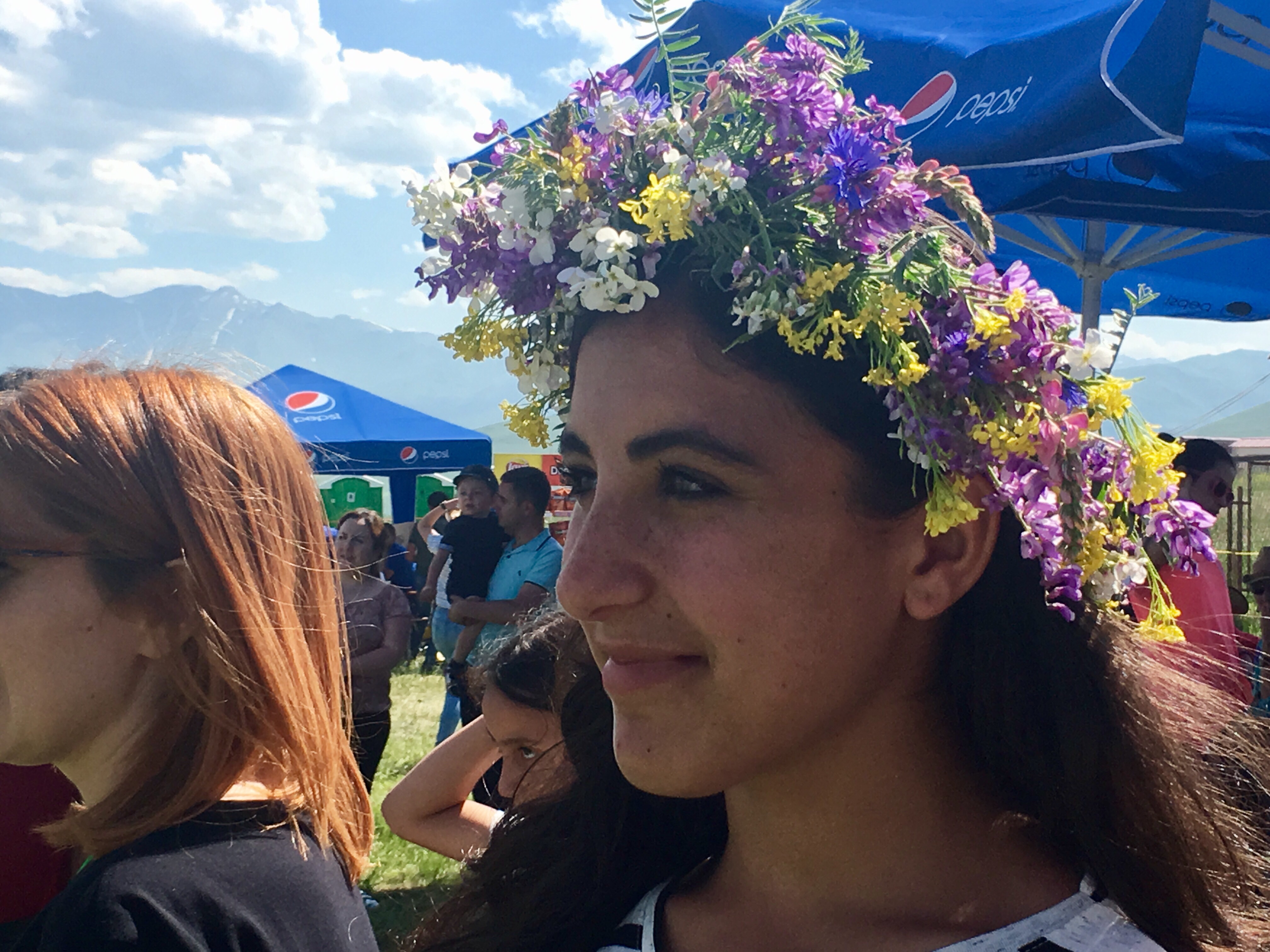
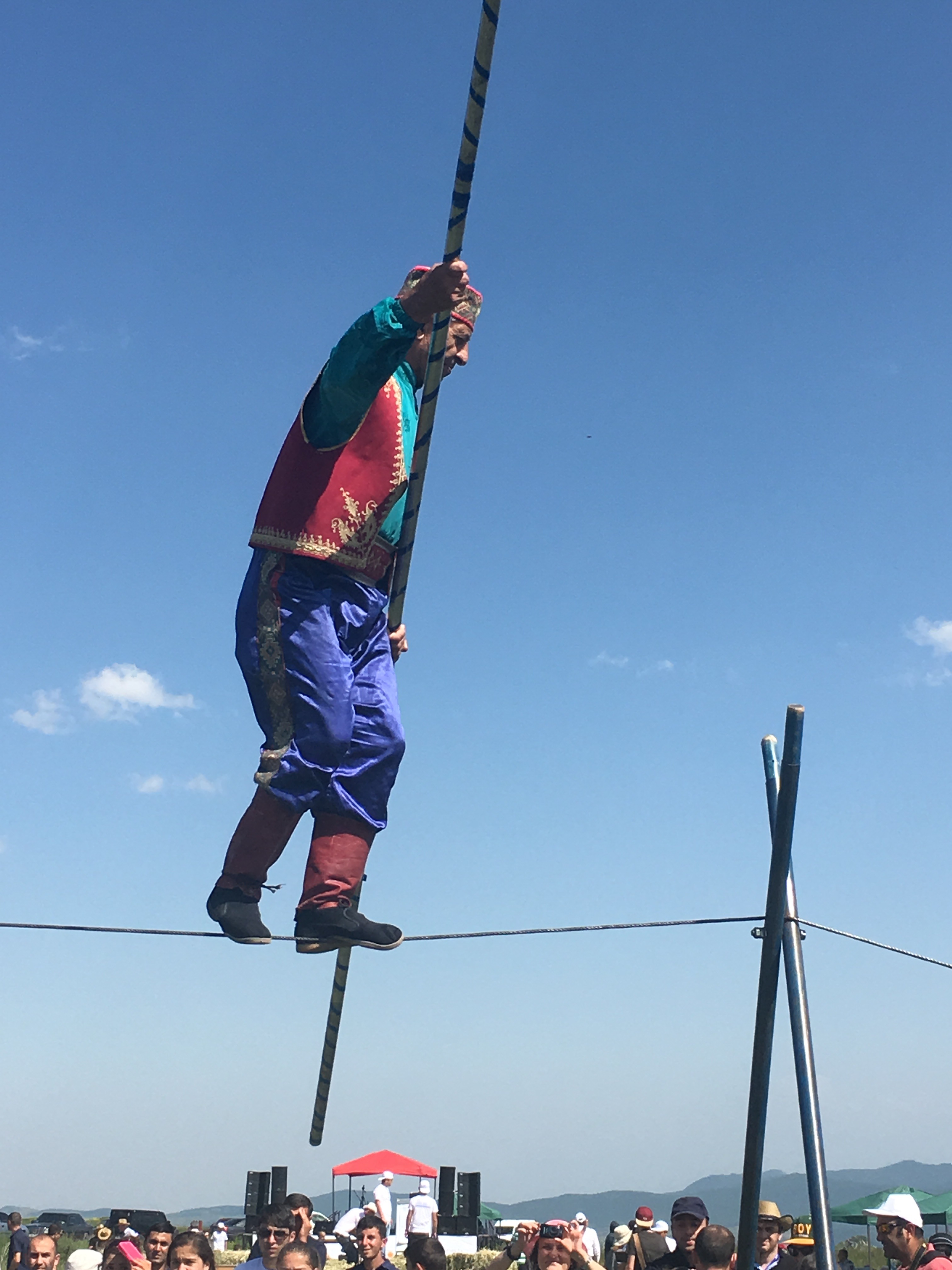
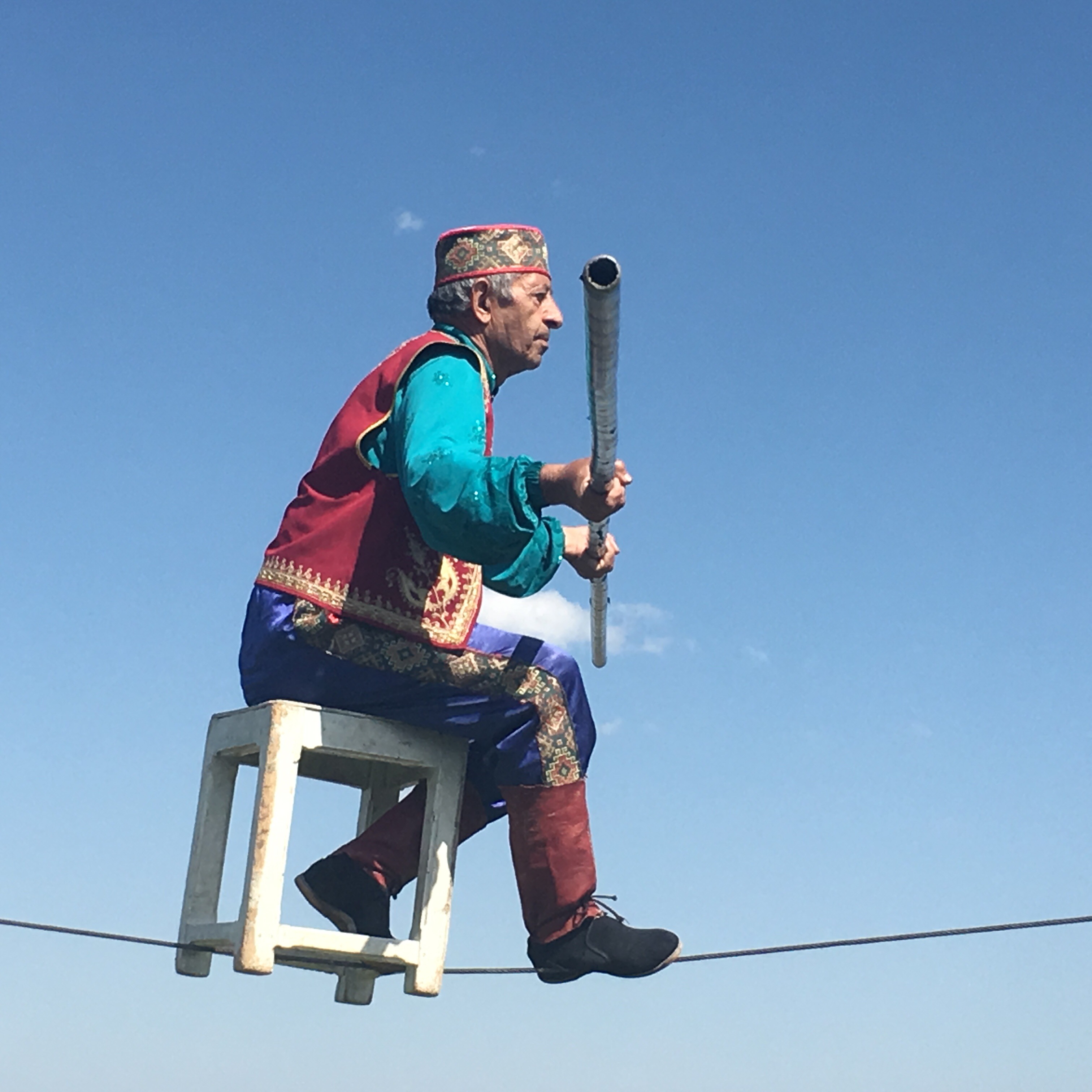
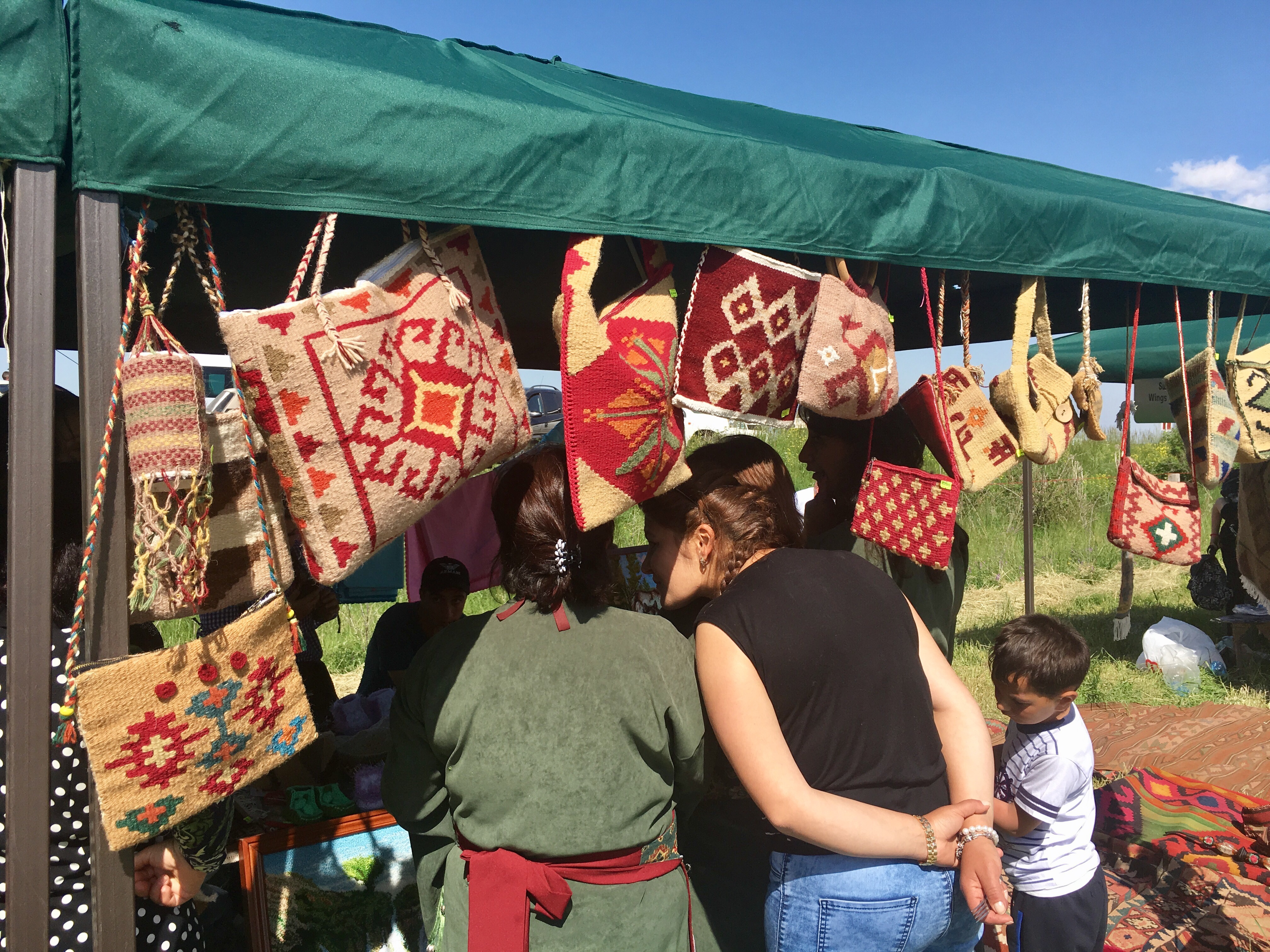
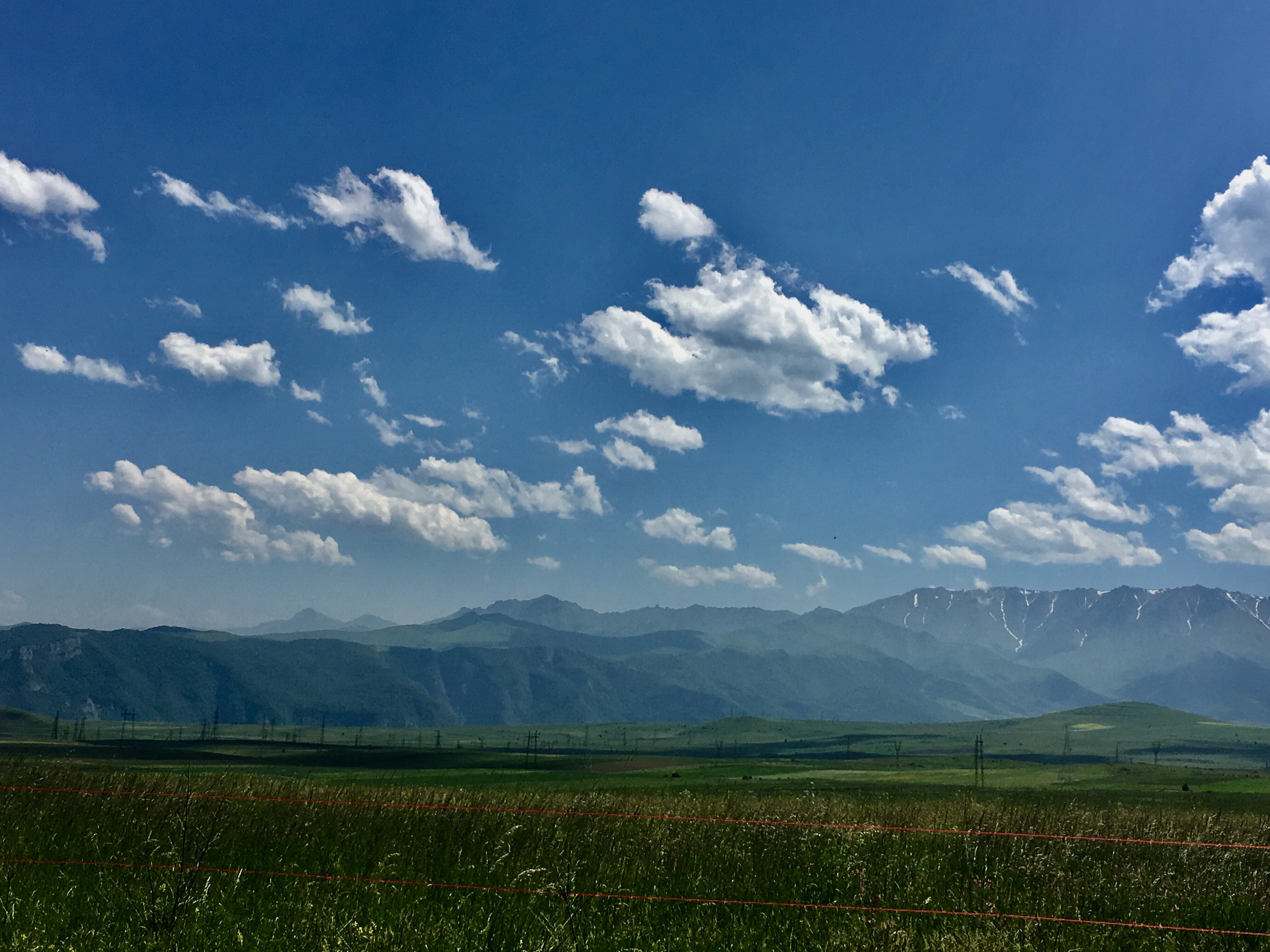
​​You know it’s a good party when the men start the dancing, the wine is $2 a liter, and there’s a bouncy sheep. All of these were elements of today’s Sheep Shearing Festival in the mountains close to Goris. It was hard to see the sheep shearing competition because everyone was jostling to cheer on their village champion. Luckily I can watch it tonight on the news– all the national crews were there. The cameras didn’t capture the impromptu tug of war between the locals and half a dozen American volunteers, which was just as well: our boys were fit, strapping and strategic but sadly no match for the sinew of Syunik Marz. Tightrope walker? Oh yes, we had one of those too. 

​​​
​​

Posted in Armenia, Great weekends, Homebrew, Moonshine, National pride, Peace Corps, Syunik Marz, Things that gladden the heart, travel, Village life, Vodka | 2 Comments

This is what they eat in heaven

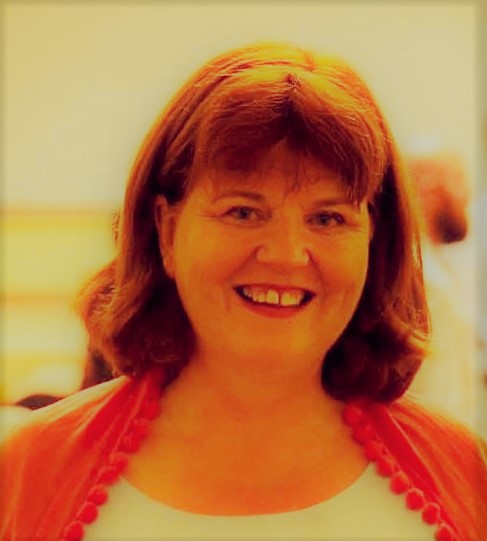
FullSizeRender (10)Aleta has hair the color of dark honey. It is long and thick and usually piled on top of her head. Her eyes are hazelnut brown and her skin is apricot. She has the kind of body that should always be lounging on a chaise longue, and spilling out of a silk peignor.  In fact she is wearing a rip off Adidas t-shirt and track pants, and is making breakfast for both of us.

“You’ve been sick” she says, opening a jar of homemade cherry jam, unctuous and damson-dark.  From the fridge, she takes a large pan of milk–we know the cow personally–and begins to spoon the top of the milk into a smaller pan. She puts two saucers and spoons on the table next to the basket of bread she just picked up from the bakery.  She spoons the cream into the saucers and indicates I should add a nail polish streak of syrup from the jam.  The bread is crusty and still warm.  Aleta dips and swirls each piece of bread slowly to soak up the most cream. People would pay to watch her satisfaction as she eats. She refills her saucer twice. I hope she will go back to bed after this, but probably she will clean out the chickens and do the laundry, just like she does every day.

Posted in Armenia, Beauty, Cross-cultural understanding, Food, friendship, Things that gladden the heart, travel | Leave a comment

Awkward

Are you married?

No

Why not?

(Laugh) No one asked me. (This is not true)

But you have had a boyfriend?

Yes 

Do you have a brother?

Yes, I have a brother and a sister and I have two children. 

You have two children? But you said you weren’t married?

I adopted them. (Why did I say that? Why? Why did I want this stranger to think of me as ‘good’ rather than ‘fallen?)

Do you have pictures?

Yes (I hand over my phone)

Why did you adopt black children?

Washington DC is a black city. All the children available for adoption are black. 

But I have been to Washington…

The people you see in the center of the city are not the people who live there. White people are the minority in DC. (This is not now true, but was until very recently. I do not have the language skills to explain urban regeneration, gentrification and suburban spread)

She is light. Not too black. 

(Firmly) She is black

Yes, but light. That’s good. 

(Stiffly) I don’t think it is bad to be black. 

No, but we don’t have black people in Armenia. We are not used to–dark

There are millions of black people in the world. And people of all colors in America. We like it. 

Yes. Is your daughter married? 

No, but she has a boyfriend. (Again, why?)

And your son, is he married?

No.

But he has a girlfriend? 

Yes.

(I didn’t mention my granddaughter, my son’s baby. I am ashamed of that, but not of her. I just think this was enough chat for one day. Awkward.)

Posted in America, Armenia, Beauty, Cross-cultural understanding, Embarrassment, errors of judgement, family, identity, Language, personal failings, Race, Women | Leave a comment

The language of love: meet my best friend in Armenia

Elsa got past me this morning to hang a last load of my laundry on the line by the backdoor. She is very particular about pegging out. Underwear is discretely strung next to the pear tree,  and dark or colored clothes are then ordered, small to large, in the middle of the line. White towels and sheets go last, flapping at the far end by the apricot tree. It doesn’t matter how carefully I plan the timing of my weekly wash, or how close I sit to the door of the bathroom where the washing machine lives, Elsa can always beat me to the unload, spiriting a basin of wet clothes out of the house before I know what’s going on.  If I go to help her with the pegging, she will circle back around me and rehang whatever I have pinned. In recent days as my language has developed to the point where I can remonstrate, I have tried to be firm: it is not her job to do my laundry. I am a grown woman, indeed I am older than she. I am not a guest and am meant to be here to work. She just laughs and indicates that my version of Armenian is not understood here.

Here in a village on the Ararat plain we  have lived together for 10 weeks, one American and one Armenian. We are both in our fifties and female, but beyond that we appear to have little in common. She is fit and spry and compact. She works in the garden and house from morning to night. She is patient and loyal and endowed with common sense. I–well, you know how I am.

Sometimes I wonder if we would be nearly so close if we spoke the same language. How long would it take for my verbal tics to annoy her?  Would my sharpness of tongue, extravagance of language, and general bumptiousness irritate her if she was forced to listen to me speaking as I normally do?   At least for now, I have to listen carefully to everything she says, often asking her to repeat it slowly so I can better understand. I don’t form sentences quickly enough to talk over her. I am quite unlike myself and our relationship is better for it.

There is something curiously naked and true about language stripped of all flounces. For weeks,we told each other how beautiful and good everything was, including each other. These were two of the first adjectives I could say and understand. Over and over again every day since March, Elsa has urged me to come, sit, rest and eat.  It is rejuvenating and comforting to always speak positively and to respond to kindness with grateful, humble acquiescence. I may have to continue the practice without her: today I move to my new home in a city 200 miles away where I will work for the next two years.

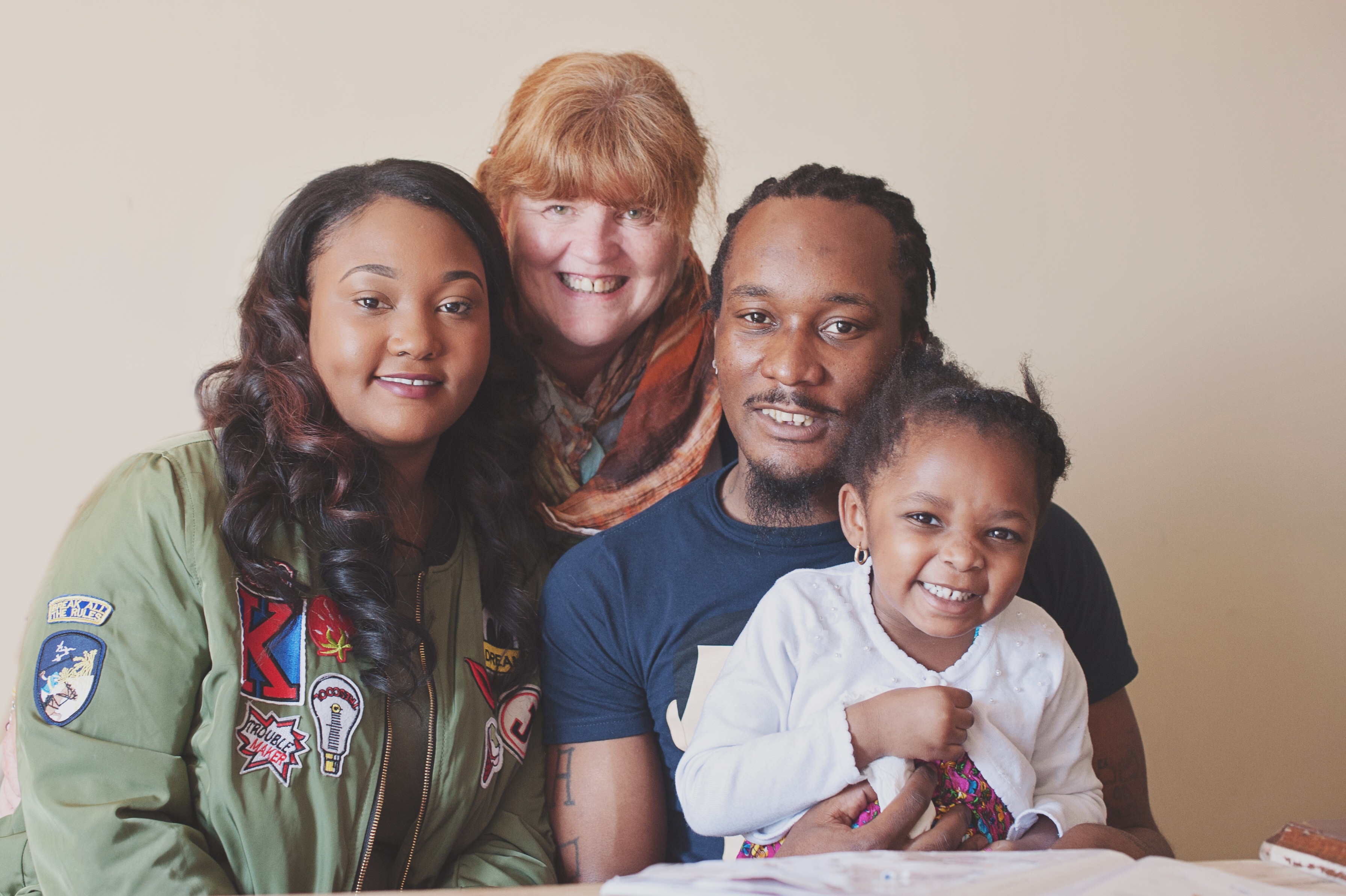
Is it possible that Elsa would say something I would find it hard to agree with if I could understand everything she uttered? Yes, but not likely. In a country where men are waited on hand and foot, Elsa encouraged me to tease her husband, teaching me to ask him to make the coffee, a thing he would never do. In a country where black people are non-existent and are usually referred to by the N-word, Elsa immediately admired pictures of my children and granddaughter. I didn’t have the words to explain quite how we came to be family but my teacher filled in the details  and now Elsa tells everyone the story and urges me to take out my phone and show everyone my beautiful kids. I always oblige.(Now my phone is full of pictures of her daughters and grandchildren that I show proudly too.). Elsa and her oldest daughter helped me get my measurements for the dress I wanted to have made for my swearing-in as a Peace Corps Volunteer. One wrangled the tape measure and yelled out impossibly high numbers (centimeters can be so cruel) and the other relayed the information by phone to the designer 50 miles away in Yerevan. Then I needed to go to the capital for a fitting. Elsa made her son-in-law spend a Saturday driving us there and back. She gave no indication that it was an inconvenience to lose a day working with the fruit trees, vines and vegetables, but it must have been. The whole dress thing was very intimate and giggly and fun– a closeness I  don’t have with anyone other than my Belfast school friends-people I grew up with and have known for decades.

On the day of the Peace Corps ceremony Elsa put on her black dress and wedge heels and took the bus to Yerevan to sit in a sweltering hall so she could hear me swear the oath to serve Armenia that we had practiced in Hayeren sitting out among the poppies and the cornflowers in her back yard. She wanted to see the dress in action too of course. Siroon e. Siroon es. It is beautiful. You are beautiful she said.

Elsa has never hosted anyone other than family members before. The decision to take in a foreign stranger was part of her recovery plan–she is mourning the loss of her 26-year-old son Geram, killed in a road accident. For the two years since Geram died far away in Russia, Elsa has not slept well. She keeps hurting herself in small everyday accidents. Now, she is often under the weather and ill. Perhaps a loud American would help to take her mind off things?

The first time Elsa talked about her lost son she had to mime rising to heaven because I didn’t know the language of death. She cried and I hugged her and sat with her and made tea. She has talked of him often since. I think she is glad to have someone to share his story with, perhaps especially because I can’t talk back. Being able to support someone physically and emotionally rather than through words has been good for me too.

After the laundry was dried and packed this morning. Elsa gave me two new towels from a dresser in her bedroom: they would be useful in my new home in Goris. In her view, I need those towels more than she does, and she is happy for me to have them. She packed me a lunch of bean salad, grilled eggplant, (soft and smoky) cucumber spears and lavash. She gave me a bag heavy with jars and jars of homemade jam and eggplant caviar. I have to send her pictures of my new home tonight: the bed, the room, the kitchen and the bathroom. I handed over a rather inadequate box of chocolates for her to share with her neighbors over coffee. We both cried. We love each other,it is as simple as that. We have agreed I will go back for my birthday. It won’t be long now…


Posted in Armenia, Beauty, Cross-cultural understanding, family, Food, friendship, joy, know thyself, Language, love, personal failings, Things that gladden the heart, Women | 7 Comments

The Fool English

My infirmities have forced me to spend a lot of time in front of Armenian TV in the last few days and so I can report in detail on the schedule of the network channels.  There are prime time Hayastan versions of The Doctors ( the Phil McGraw format), Full House, and the Jeremy Kyle/Jerry Springer show. These are no more edifying here than in your homeland, but are of course cheap to produce in bulk and easy to repeat. This being Hayastan,  problems on the talk show are perhaps less scandalous than they would be in the US or the UK: “My wife doesn’t always provide a full, hot dinner at 5:30pm. How can I get through another 50 years of marriage?”  “Everyone else’s husband spends most of the year working in Russia. Why does my husband lie around at home?” “My daughter wants to go to college. I would prefer her to live at home and marry the boy next door. Which of us is right?”  “Am I wrong to wax my six year old?”  

Then there are dubbed versions of Indian soap operas. The sets and costumes are high-colored and so are the plots. It doesn’t take a lot of acting talent for the voiceover artists to match the skills of the original actors, but the whole spectacle is hugely compelling.  We are on the edge of our seats as marriages break up, beautiful women cry, evil children concoct villainous plots, and good looking men pine for lost loves from miserable prison cells. Everything but the fabrics are terrible. We are all completely hooked. 

And then there are the Hollywood movies dubbed into Hayeren. I watched something in which Brad Pitt romped about in hopsack and a ridiculous hat. Whatever the failings of the movie, best I could tell, the voice stand-in was rather good. Then I saw Ashton Kutcher as Steve Jobs. Again, the vocal understudy was entirely convincing. The following day I watched some of a children’s film–really high quality but not familiar to me. It must have been Disney or Pixar though. The voiceover work was great– characterful and nuanced: great acting in Armenian. 
So who is providing these voices, and where?  This is a small country with 3 million people at most. How many of these are top quality actors able to stand in for all the Hollywood greats?  Who directs their performance behind the mic? 

Ah, you say, the work is done in Hollywood where the studios dub versions of their movies for distribution all around the world. Well, maybe. But even if these movies first had theatrical distribution here in Armenia, I fear that the budget for the Hay entertainment industry doesn’t stretch to Hollywood rates; plus I believe that most of the Armenian diaspora in Glendale CA speak West Armenian, not East Armenian as we do here. (The people who fled 100 years ago from land now claimed by Turkey spoke a language that moved with them to the States. We speak differently here and now). 

Curiosity drove me to the Disney website where they proudly record all the languages into which their films are dubbed. Armenian was not listed. The film I glimpsed may not have been Disney (it seemed to be a meld of Toy Story and Cars), and even if it was, perhaps the work was done without the express permission and involvement of the originating studio? If so, it was a marvel of mixing: there was both dubbed dialogue and background music/ effects.– difficult to do without a do-it-yourself voiceover track made available on the original film.   

Watching Armenian media has made me appreciate my luck in being accidentally born in a country that speaks one of the world’s most common languages: English. Those of us lucky enough to speak English, Chinese, Hindi, Spanish, Russian or other key world languages have almost unlimited access to great storytelling: the stuff we generate, and the translations from other cultures keen to access our pounds, euros, dollars, rupees, rubles, and whatever they spend in China.  Armenians are not so lucky. No wonder so many of them work at learning three or four languages. It is not uncommon to find young people from small villages like mine who speak Hayeren, Russian, English, Spanish and perhaps also some French or German. Literacy in this country is at 96% and families and schools expect a great deal from their children. In a country where jobs are few and far between, language skills are both a passport and an employment guarantee. Brad Pitt and Ashton Kutcher are big deals in America but they wouldn’t be all that here in Armenia. Not unless they could do their own voiceover in half a dozen major markets. 

One of our program managers in Peace Corps is an Armenian with a PhD in English Literature. His dissertation discusses the role of the fools in the plays of William Shakespeare. Not only does he speak perfect English, he reads and analyzes Shakespeare in a language not his own. Stepan has not visited England and has yet to see a Fool on stage at the Globe or in Stratford on Avon. He spends his working life teaching (mainly) monolingual Americans like me how to fit in here in his homeland. Good job he knows what fools are for…

Posted in America, Armenia, art, Ashton Kutcher, Brad Pitt, Cross-cultural understanding, Film industry, Hollywood, Language, Language learning, Literacy, Shakespeare, Television | Leave a comment

Bubble Trouble

I have been trying to make the perfect bubble mix in preparation for a community event on Sunday. The recipe promises giant, long-lasting rainbowed spheres and calls for ingredients including baking powder, cornstarch and glycerine in addition to liquid detergent and tap water. This wouldn’t be a problem in the US or UK where we all know the colors of the packaging for these items, and the whereabouts of the bakery aisle. But in Armenia?  

So far I have made sample batches of bubble mix with substitutes as diverse as potato starch and,tonight, polenta, which my teacher bought for me in Yerevan. Well it did say Corn Flour on the packet… I have found baking powder imported from America that has cost me two days of volunteer stipend–$6.  I have constructed perfect blowers from neon-colored pipe cleaners, but otherwise the bubbles have pretty much been a bust,  proving no more amazing, robust or outsized than those generated by ordinary efforts with dish detergent alone. I suspect that even if I source the right super-ingredients I don’t have the patience to measure well enough to make the chemistry work. I am sensing that the other volunteers, who are planning football games, army maneuvers and dance-offs for the field day, are already tired of my pipe dream and have serious doubts that bubbles of any size will hold the attention of 21st century kids for very long. They don’t like to burst my bubble but…

Well, tonight I was walking from class and was met by the two kids involved in last nights bubble trials. They were dancing up the street carrying sticks to which were appended plastic bags. Further they were followed by half a dozen other kids, all carrying similar sticks and bags. 

“We were waiting for you to come home” said Lilia, aged nine. “We made bubbles to carry until we could blow some with you” She mimed most of this because she knows my Armenian isn’t up to much.  I was highly relieved that I had a third batch of bubble brew in a basin on the bathroom floor.  I set up shop in the street and hoped these bubbles would do the business. Sadly, they proved no more successful than the last, but everyone squealed with excitement and fought for access to the tub nonetheless. Now, sticky with soap and smelling of lemon and lime, the kids are playing football and I am thinking that there won’t be soapy bubble (rhyming slang for trouble) on Sunday if my fairground attraction really blows. In this sphere, I can only succeed. 

Posted in America, Armenia, Beauty, Cross-cultural understanding, errors of judgement, friendship, Games, Great weekends, joy, Language, Language learning, Peace Corps, personal failings, Things that gladden the heart, Village life | 3 Comments

Congested in the Caucasus 

I blame the blossom. And then there’s the dust and the mould. What started as seasonal sneezing due to inhaling pesky pollen, motes of dried mud, and creeping black spores quickly led to sinus havoc. My ears popped crossing the mountains when I went to Goris. I was deaf, stuffed up and generating enough phlegm to allow fluent if fluid pronunciation of difficult Armenian double consonant sounds. By the time I came back it was showtime for three Irish pipers, playing badly in my chest.  Now I have been diagnosed with bronchitis and confined to quarters, coughing. 

Elsa of course has no truck with my arguments against the environment. She knows I am ill because I won’t wear socks, will leave the house with wet hair, and don’t have enough warm clothes. She has now made socks mandatory. I am not allowed to wash my hair. I am too weak to argue. 

Elsa has very clear ideas about how to treat my illness, or indeed any illness. She feeds a cold and gorges everything else. Things that are good for what ails me include: tea sweetened with black currant jam, vodka, (but only if swallowed from a shot glass in one large gulp), and butter–by itself is best but lavash can be permitted. The important thing is to get through half a pound at each sitting. If bread helps, so be it. Cherries, strawberries, and unripe small green plums eaten with salt (seed and all ) are also cure-alls. And of course there is spas. (SehPASS). 

Spas is the Armenian equivalent of chicken noodle soup. It can cure anything. I asked Elsa to write down her recipe. She laughed and said I could watch her work. The prep is a speedy process so I was able to fit it in between bouts of coughing. I urge you to make some. It is definitely restorative. 

Elsa’s Spas

Two cups of Barley (rice or buckwheat would also do)

Six cups of plain yoghurt — or use one whole jumbo tub

Six cups of water– or fill the empty jumbo tub with water

2 heaped tablespoons of flour. 

1 egg

Several handfuls of fresh dill, cilantro and tarragon, finely chopped with spring onions (use any other fresh herbs you like as well). The spring onions are key here– but you can be free form with everything else. 

Mix all the ingredients in a pan, beating in the flour and the egg so the liquid is smooth. 

Cook over a low heat, stirring occasionally until the barley is well swelled. About 40 minutes. 

Serve warm in a mug with a spoon. Add salt and pepper to taste. Get well soon. 

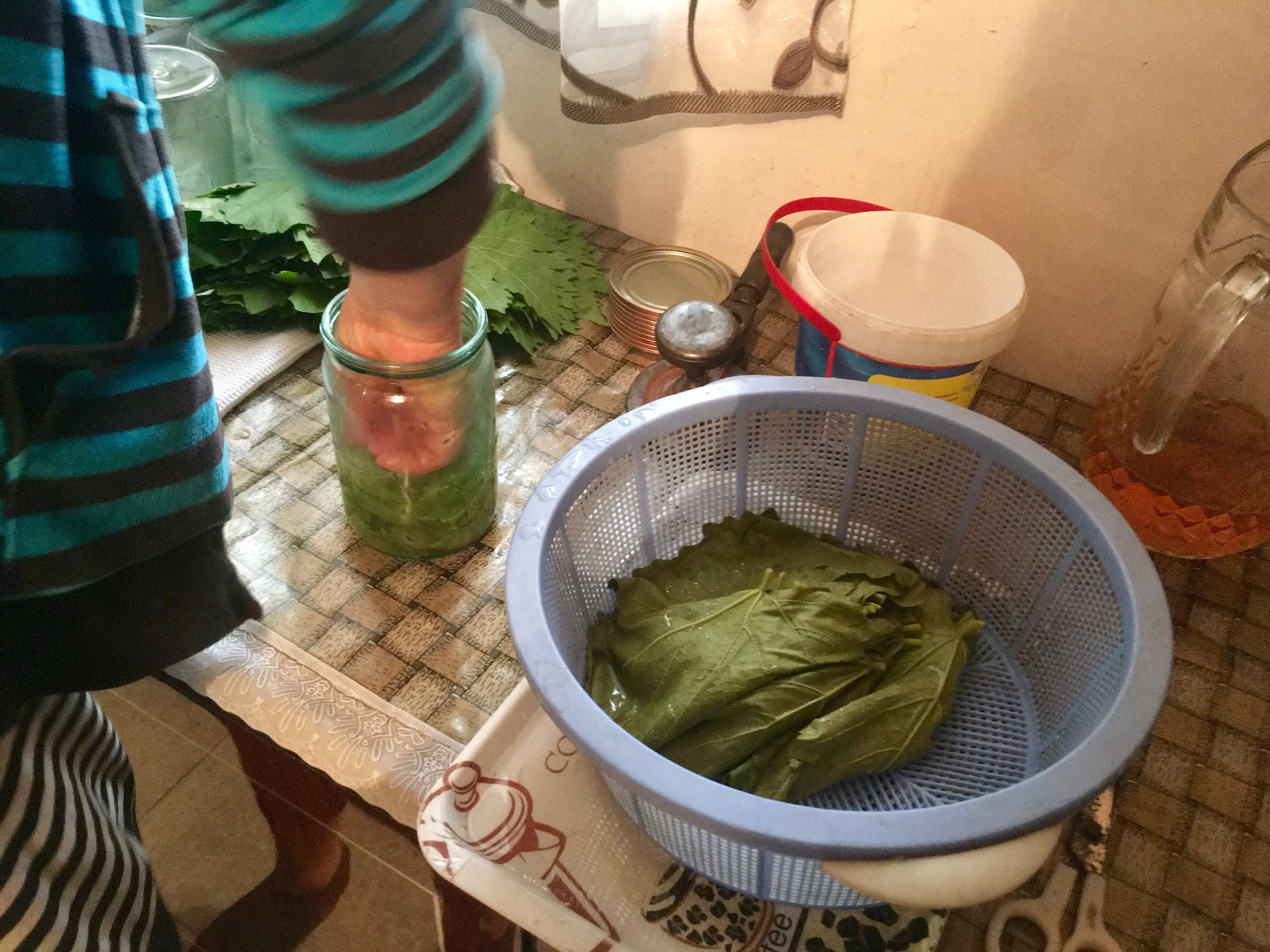
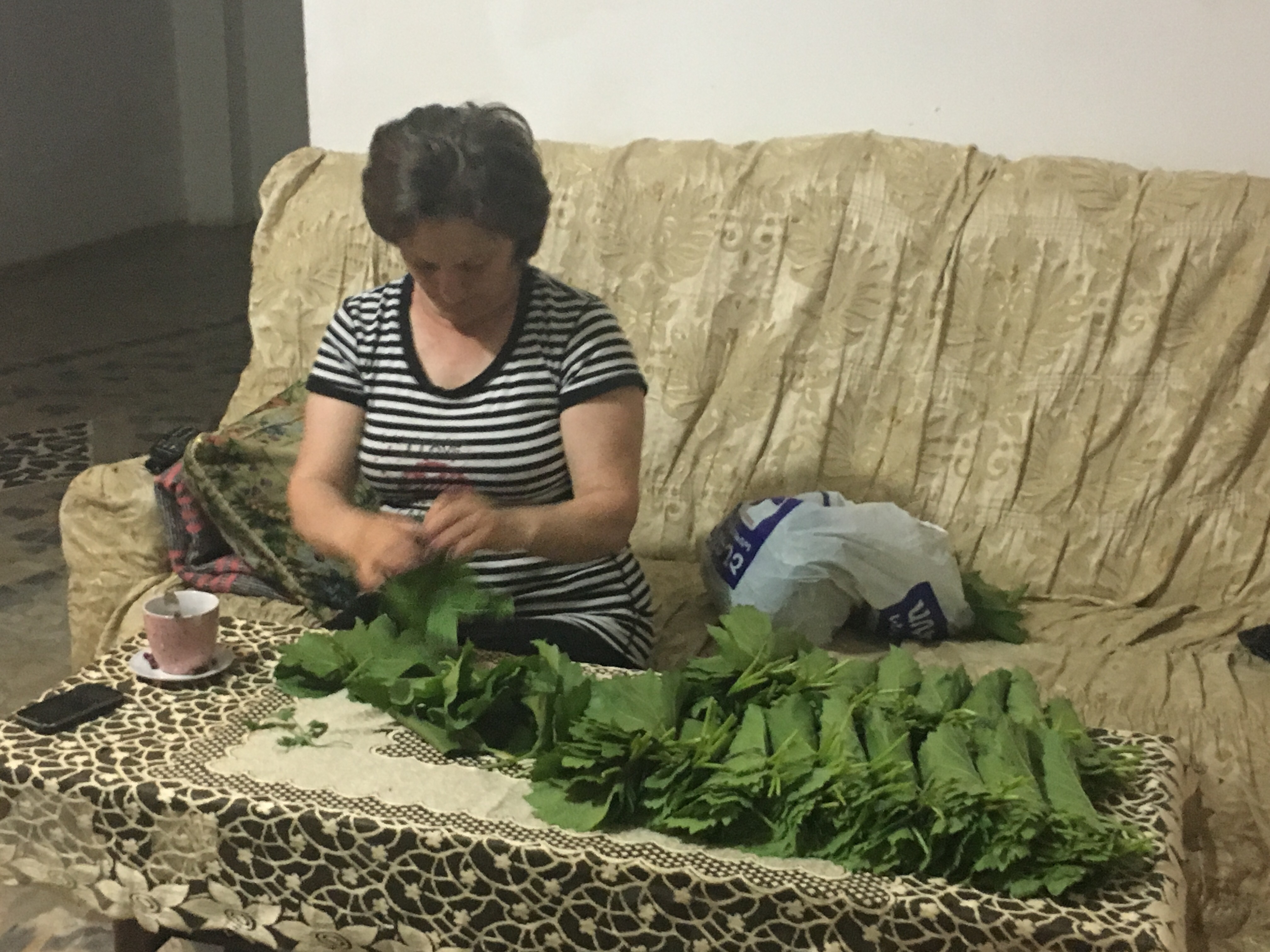
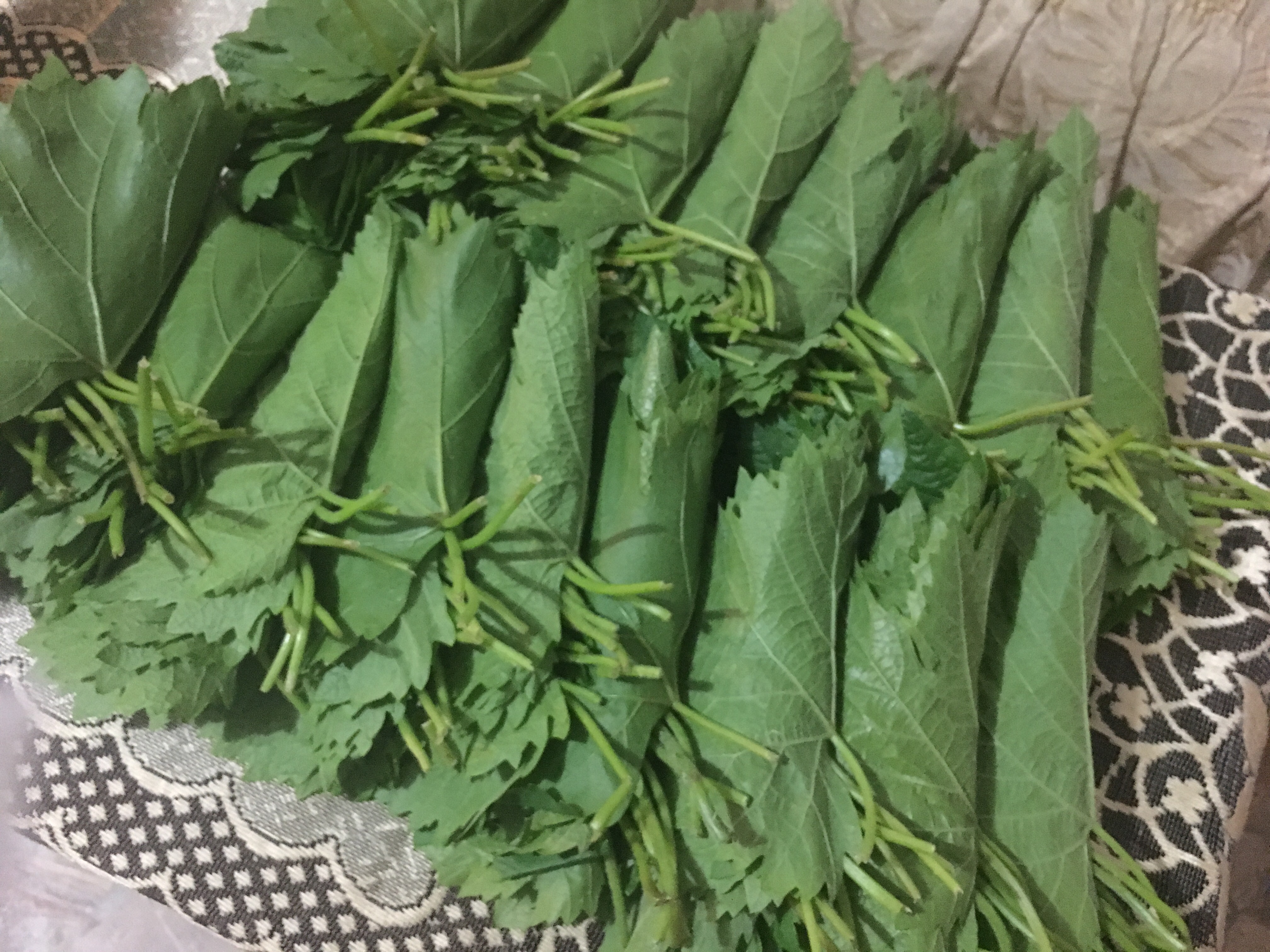
 Between the vodka and the NyQuil (reccomended by the Peace Corps doctor), I spend a lot of time asleep, or at least speechless, glassy-eyed and immobile in a chair. I haven’t been to class since I returned from Goris and so I am at home during the business of the day. I watch Indian soap operas and American films, all dubbed in Armenian. (I saw Brad Pitt and Ashton Kutcher in something yesterday. Or was that just the drugs?) Elsa is usually working– hens to tend to, sticks to break and stack, weeds to pull, floors to clean–but sometimes she finds a task she can fit in while visiting the sick. Yesterday it was canning vine leaves in preparation for dolma demand this winter. As high drama played out on TV (someone in a sari has been kidnapped) Elsa created neat piles of about a dozen grape leaves each, smoothing each leaf as though it was filmy, fragile lingerie she was preparing to pack. Then she gently laid each pile in a colander over a pan of boiling water and covered the pan to steam the rosette. She then folded and tamped the batches of softened leaves into mason jars and sealed them tight. This was the first crop of this year to make it to the pantry shelves. 
Neighbors are in and out all day. Tamara brought me cherries and strawberries from her garden because she heard I had the grippe. “Butter” she said as she heard me speak   “Butter’s what you need for a sore throat.”  Sada came and sat for a bit and put a rug round my shoulders. “Stay warm” she said. “You need more clothes.” She hugged me when she left “Butter” she said “Plenty of butter.” Like Elsa, both these women are the same age as me. They must wonder how Americans survive past childhood when we are so ignorant of basic wellness techniques.  

Right now, Elsa is boiling me an egg, laid by one of our hens this morning.  It will be perfectly cooked, the bright yolk just set and no suggestion of a tired, grey outer ring. She will peel the egg straight from the pan–her fingers are asbestos. She will mash the egg on a small plate with salt and pepper and maybe a side of herbs. Before she gives it to me she will add a slab of butter. “Kerr, Kerr” she will say. “Eat, Eat.”  Let’s hope the cough goes before my heart gives out. 

Posted in America, Armenia, Bronchitis, Cooking, Cross-cultural understanding, family, Food, friendship, travel, Village life, Vodka, Women | 2 Comments

The Road to Goris

I am laden down with a liter of homemade rose wine, a giant box of chocolates and half a hundredweight of homegrown dill and tarragon. These are my current host family’s gifts to my new family. Perhaps they hope to sweeten the deal for the people I will be living with for two years from June? I am traveling to take a look at my new home more than 200 kilometers south of Ararat, in the city of Goris in Sunik marz. Sunik is the narrowest part of Armenia, pinched between Azerbaijan, Nagorno- Karabakh and Iran. Goris is where I will live and work once I complete my 10 weeks of intensive language and culture training. It is about four hours by road from where I live now. I am going for three days. 

I am traveling with Lilit, the young woman who will help me fit in in my new city and new role. She looks like she could be Isabella Rossellini’s daughter– heart-shaped face, high cheekbones, almond skin and sleek dark hair. She speaks Hayeren, Russian, French and perfect English. She hopes to win a scholarship to Columbia to study NGO management. She already has a Masters in Linguistics and specializes in Germanic Philology. It is all rather humbling. 

Lilit arranged a taxi for our journey and my heart leapt when I saw it was a nearly new Mercedes. It had tinted windows. Would it also have air-conditioning and leather seats? It did not. There are now four people squashed in the car, plus the driver. Two women are at least my size and are clutching hefty holdalls. I am sitting behind the driver, who has long legs. Poor Lilit is sitting on the hump in the middle of the back seat. That’s the price you pay for being young and slim. 

We stop for gas and everyone gets out of the car and stands well back. Cars here run on natural gas, held in a tank in the trunk or under the chassis. The gas is both very cheap and very volatile. My current host works at a gas station like this. It is hot, dusty, and dangerous: a sort of concrete hell where employees must crouch like Caliban to fuel the cars, for the mouths of the gas tanks are low, close to the exhaust. 

Full up, the car snakes slowly into the mountains. Students of social sciences physical geography and geology should definitely plan a trip to Armenia; there is shist, there is scree: there are drumlins and u-shaped valleys hollowed by glaciers. We are climbing steeply when a car coming the other way honks. We do a u-turn on a hairpin bend (I must compliment our driver on his clutch control) and stop. Everyone piles out. The people in the other car walk towards us smiling. I have no idea what is going on. 
It turns out one of the other car’s passengers is to be a colleague of mine in Goris. She was on her way to Yerevan  and wanted to say hello. We exchange warm words in English. I was too confused to remember anything in Armenian. I look forward to getting to know Anna better on firmer, flatter ground. 


We pass several hundred sheep and lambs, a donkey and some goats being herded along the road by a young man in a Ferrari baseball cap, jeans and a rip-off Real Madrid jersey. Now there are vine terraces and I begin to fantasize about stopping for some dolma and a glass of local red. We do stop, but only so one of my fellow travelers can check on the chickens she has stashed in the trunk: a dozen pullets squabbling in a hot, dry cardboard box. And to think I was worried about whether my herbs would make the journey unharmed…


A few hundred more sheep, this time shepherded by an old man wearing a bomber jacket emblazoned with the Bentley logo. As the herd passes, a old woman with thinning hair dyed an unkind  red-purple hurries on to the road with a witches broom to sweep up evidence of the sheep. 

The road is good all the way. Did the Soviets build it or has the Armenian government scraped together the funding to ensure a straight run to and from Nagorno-Karabakh?  Either way, I am grateful. 


In Sunik Marz there is still snow on the high ground. For miles, there have been very few cars on the road, but now we see vehicles parked, and people picnicking on grass brightened by alpine flowers. The road dips and bends. My ears pop.  We turn a corner and suddenly see a town built on the steep sides of a deep crevasse. We have made it to Goris. 

Posted in Armenia, Cross-cultural understanding, Great weekends, Language learning, Peace Corps, Social niceties, Village life | 3 Comments

Border Post: Part Two

armenia-azerbaijan-karabakhMay 9 is a public holiday in Armenia and is known as Victory Day.  The day marks triumph over the Germans in the Second World War, where Armenians fought as part of the Russian Army, joining the allies to defeat Hitler. This year though, the commemoration in Yerevan was widened to honor those who fought for Nagorno-Karabakh 1988-1994, and again in the four-day war in April last year.

Nagorno-Karabakh?  If you are British you may remember Sue Lawley carefully pronouncing the name when she read the BBC news at the time war broke out nearly 30 years ago. If you are American you have probably never heard of the place at all, unless you live in Glendale, CA, which is a sort of Armenia-on-Sea. If you are Armenian, you would likely die for N-K. You may yet have to.

My potted history of the conflict is bound to contain inaccuracies– it’s a complicated story by any standards, and my knowledge of the region is both recent and slight. Try not to get bogged down in the detail, but read this more as a story of identity, ethnicity, territory, heritage and geopolitical maneuvering: themes explored in my other Border Posts. Please know that my intention is not to criticize, meddle or upset. I am genuinely trying to observe, and to draw broader conclusions about the nature of all humankind from this particular painful dispute.

The gist seems to be this:  back in the first part of the 20th century, an enclave of ethnic Armenians (Christian) in Soviet Azerbaijan were given some autonomy by Joe Stalin. I don’t know why: I don’t believe he ever said, and no one liked to ask. The set-up mattered not a lot for 70 years or so while all of the Caucasus were under Soviet rule. As things started to crumble at the end of the 20th century, the ethnic Armenians declared independence, and argued they should align with Soviet Armenia, not  Soviet Azerbaijan, which is Muslim. They held a referendum. Not everyone liked or accepted the results. Think Scotland, think Brexit, think partition of Ireland…

As the Soviet Union collapsed, Nagorno-Karabakh, backed by newly independent Armenia, went to war with newly independent Azerbaijan. Everyone’s numbers are different, but it seems clear that some 800,000 Azeris and around 230,000 ethnic Armenians were forced to flee their homes.  20,000–30,000 people on both sides of the dispute died between 1988 and 1994. More than 3000 have died since, including those slaughtered  in four bloody days of fighting last April; and young men on both sides now killed almost nightly in sniper attacks.

Across two thousand years, Armenia has not had much luck with borders and territory. It has been squeezed and re-shaped and trampled upon and invaded. Think Poland, but smaller and with no coal. Knowing this, it is easy to see why there is so much pride in having pushed back the Azeris 1988-94, helping N-K to stand its ground. As an Armenian friend said to me “We haven’t won anything since the 7th century, so this was a big deal for us”. Quite so. The problem is, it isn’t over, not by a long way.

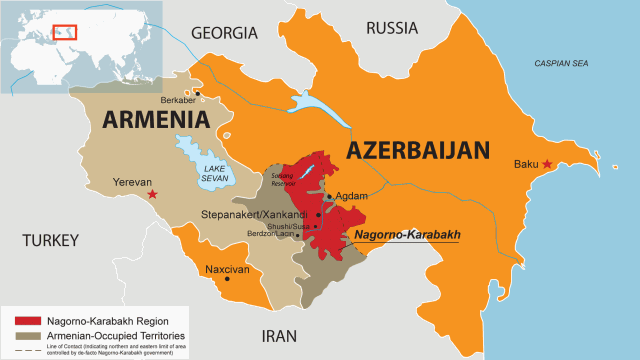
Today around 150,000 people live in N-K. It is pretty and mountainous and no one can fly there because the Azeris won’t let anyone encroach on their airspace. You can drive there from Armenia at the one point where the borders touch, and the Armenian President did so this Victory Day, turning up to celebrate the anniversary of the founding of the N-K defense army. If you look at the map, you will see how tiny N-K is –and how small Armenia is– compared to Azerbaijan (all the area shaded orange). Although Azerbaijan has had its own economic problems in recent years, it is still better off than Armenia. Azerbaijan has oil, which Armenia lacks. Azerbaijan thinks it should hang on to the land claimed as N-K because it’s within its current borders and therefore within its rights. Armenia argues that the land was once its sovereign territory and should be restored as such. Those people are its people, no doubt about it. France and America and Russia form what is known as the Minsk Group, holding ongoing but unsatisfactory talks with Armenia and Azerbaijan to try to keep the peace. N-K does not have a seat at the table. (Mistake? I would say so. But it would probably make more sense to ask George Mitchell, who has more experience in conducting Peace Talks than I do). It is fair to say that the whole issue is not a top priority for the French, the Yanks or the Russians. Russia sells old, cheap weapons to everyone involved in the fight. They’re fair like that.

When the four-day war broke out last year, Armenia of course sent troops to support their brethren in N-K. All over Armenia, and particularly in the southern regions closest to the Azeri border, volunteers– men who are veterans, schoolkids and women not required by law ever to serve– offered to join the fight.  The army had way more volunteers than it could usefully deploy. Why? “If we don’t stand up to the Azeris they will come for us next” one of my teachers told me “we are not so much fighting for N-K as for our own children and the land that will be theirs one day”.

A look at that map shows that fear may be well founded. The Azeris have suggested to the Minsk Group that perhaps the territorial dispute could be resolved by a land swap. Azerbaijan will cede N-K and some surrounding disputed territory in return for a slice of Armenia that borders Iran and bisects two parts of Azerbaijan– the lighter beige colored territory on the map. Hmmm.  Bear in mind that the Armenian/Azerbaijan border is closed, as is the Armenia/Turkish border. Passage to Iran is vitally important for Armenia. They don’t want another frontier hemmed by the Azeris. And then there’s the disruption involved in territorial manouvering. Sure, if part of Southern Armenia suddenly became Azeri the people who currently live there could move either to N-K or to other parts of depopulated Armenia where there is plenty of room. But people don’t want to. That’s how people are.

In Armenia, the government can use fear to whip up patriotic feeling, raise funds and boost support. This is helpful in terms of distracting from everyday economic and democratic woes. I saw the same thing in Northern Ireland in the ’60s and ’70s. A journalist colleague of mine used to say that in NI we were fighting each other for “the square root of F*** All”. While ordinary people are engaged in hating and fearing their neighbors, they are not asking difficult questions about taxes or development or governance. Powerful people grow rich and serve themselves while citizens are tilting at a different target.

I have no idea how the N-K issue should be settled, or how to restitch the quilt that is the Caucasus; or all of the former Soviet Union; or all of the world. I know identity and autonomy are important to human beings. I know territory is important to all animal life, of which we are a part. I know oil companies, and soda companies who now own water rights, and those with dominion over data are the world’s real rulers, and that they juggle power through mergers and acquisitions, hostile takeovers and buyouts.  They pay politicians to get past arbitrary lines on a map.  While we worry about our own little square on the chess board, and those it touches, they see the whole game and cheerfully leapfrog, zig and zag to their own advantage. I know too that tsunamis and earthquakes and ice-flows are no respecters of borders, and that therefore all the peoples of the earth might be better employed stewarding the whole planet, rather rather squabbling over their own little piece of the action. I don’t know what to do about any of those things. I will think about it, and let you know what I come up with.


Posted in Armenia, Borders, Caucausus, Cross-cultural understanding, identity, Nagorno-Karabakh, Northern Ireland, Politics, war | Leave a comment